Marijuana use and sports? Do they mix? Athletes used to be penalized for having any type of substances in their system. But now that cannabis is largely being decriminalized and its recreational use more common, how is this changing the landscape? Keep reading to learn how sports and weed policies are changing.
The fight to decriminalise weed is far from over, but there is some good news for athletes who use pot to improve their sleep and support their recovery. Up until now, combining sports and weed was basically a knock-out blow before you’d even entered the ring. Test positive for marijuana or tetrahydrocannabinol (THC) and you were subjected to suspensions and heavy fines. In California, you get off much more lightly than pretty much anywhere else in the world. Simply pay a $100 fine and you could compete and claim your victory without problems. Still, cannabis stigma has wafted around the issue like the heavy smoke of Sour Diesel.
In a huge win for many pro athletes, the UFC and USADA made a surprise announcement in January 2021 about their marijuana policies for professional sports. Not only were they dropping sanctions for testing positive, they were ceasing cannabis testing altogether. While cannabis and delta-9 tetrahydrocannabinol are still banned by the World Anti-Doping Agency, marijuana legislation is loosening up nationally and locally around North America.
Why The UFC And USADA Changed Their Minds on Pot
Sports and weed have long been a no-go combo, so why this sudden change of heart? Basically, there are two main reasons we’re seeing cannabis regulations loosen up in the world of pro sports.
The first reason is that cannabis is undergoing a makeover. Yes, there are still pot-heads and bong-junkies out there (don’t we know it!), but medical cannabis and cannabidiol (CBD) from hemp are almost chic in the age of holistic health. The image of weed and the people who use it is changing — and marijuana legislation has to keep pace.
The second reason is basic science. If using marijuana two weeks out from a game doesn’t impair or enhance your performance on the field, why penalise you for something that’s essentially a non-issue? Data from the Department of Transportation showed that unlike alcohol, the level of THC in your bloodstream cannot reliably predict impairment. So even the 150 nanogram threshold set by the World Anti-Doping Agency has very little to do with reality.
Marijuana Policies in Professional Sports Changes
Marijuana policies in professional sports are not just affecting the top-tier MMA fighters. We’re seeing changes to cannabis regulations work their way around the industry. Take it easy on these stats, though, folks. Many states still test for cannabis, so it’s not a free pass for weed just yet.
National Hockey League
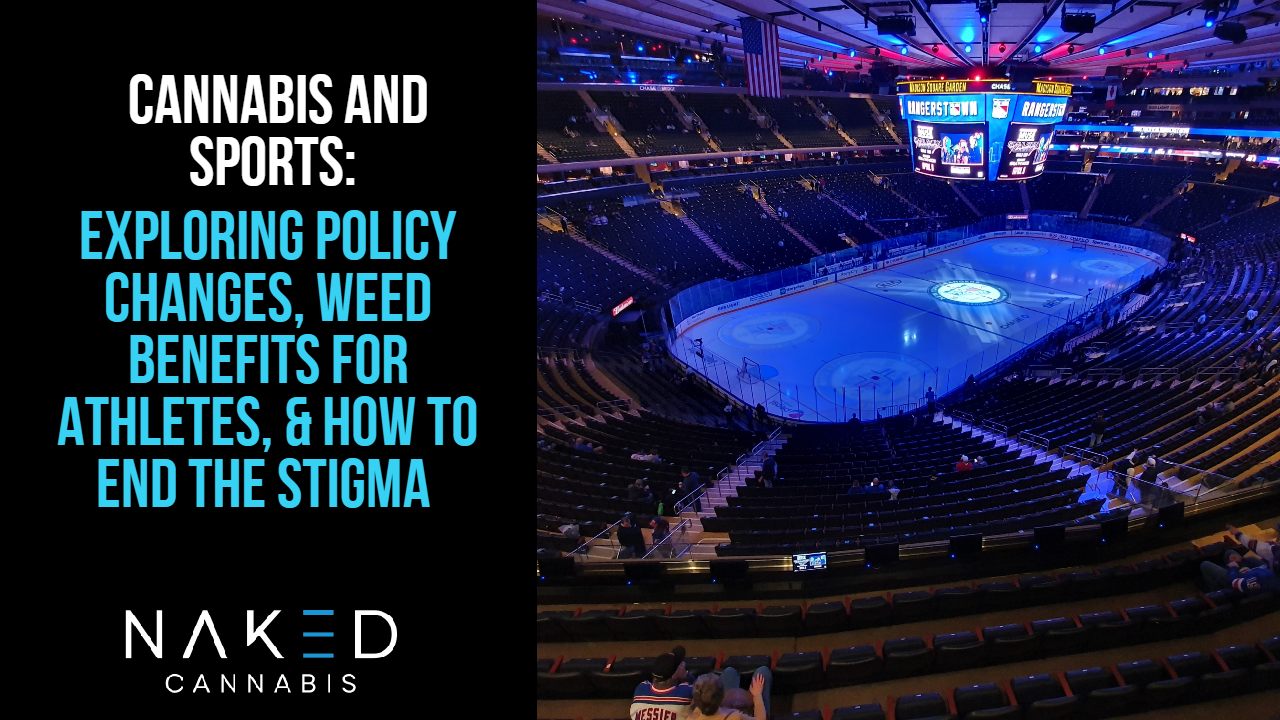
In the National Hockey League (NHL), 28 out of 31 teams have stopped testing their players for cannabis and players are not suspended for its use. Players will often be seen popping out some weed gummies. But their love for pot is not so much about getting high — it’s about recovery and getting to sleep after the massive high of a hockey league game. If a player is suspected of marijuana abuse, however, they’ll be sent for an assessment and treatment for addiction. It’s not so much a game of “gotcha”, it’s all about keeping the players in good shape.
National Basketball Association
The National Basketball Association (NBA) in the Florida bubble suspended cannabis testing for the 2020-2021 season. However, it’s not so much a matter of loosening up marijuana legislation, it’s more a case of “desperate times call for desperate measures”. The fear of COVID-19 contagion and wanting to keep players and league staff separate led the association to pause their cannabis testing, but a definitive decision hasn’t yet been made.
National Football League
In the National Football League (NFL), cannabis regulations have lightened up with no more suspensions for a positive test. Under the new pro sports rules, players can have up to 150 nanograms per millilitre of urine (up from 35 nanograms before the new ruling) and are only subjected to cannabis testing during the first two weeks of training camp.
Major League Baseball
Major League Baseball players seem to have it the easiest when it comes to fighting cannabis stigma. Following the deal that was struck in 2019 — and implemented in 2020 — players aren’t even tested for pot and it’s no longer part of the list of banned substances. They can’t, however, play under the influence or sign endorsement deals for cannabis. Gotta keep things clean for the kids now, don’t we…
Why It’s Important to Keep Pot Legal in Sport
For many pro sports athletes, legalising weed has nothing to do with lighting up bongs or getting high. Most of the time, it’s a matter of taking care of business in the least risky and toxic way possible. The life of a pro athlete isn’t all Skittlez and Girl Scout Cookies — these people play life in the hard lane. Injuries and extreme inflammation from training, anxiety ahead of high-stakes games, and difficulties falling and staying asleep can force them to turn to drugs.
And when it’s a choice between highly-addictive and potentially fatal pharmaceuticals like opioids, Xanax, and Ambien, or an organic head of flower, bud is obviously the safer choice.